A Local's Guide to Ordering Coffee in Italy Without Looking Like a Tourist
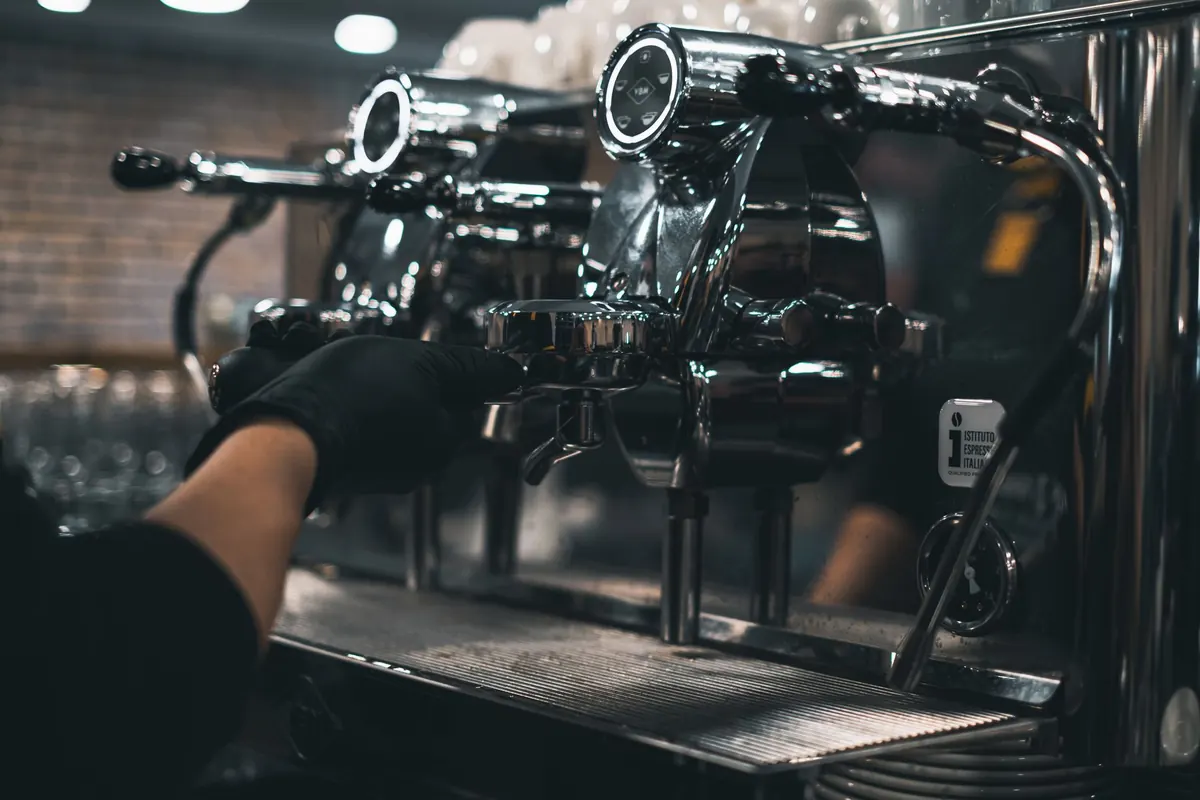
It is 8:30 on a Tuesday morning in Rome. The bar is three people deep, a man in a suit is drinking something the size of a thimble, and nobody is holding a paper cup. Behind the register the barista is already reaching for a cup before the customer in front of you has finished speaking. This is the thing visitors take longest to understand: in Italy coffee is not a drink you carry around, it is a stop you make. Learn a handful of words and two or three habits, and you stop being the person everyone is quietly patient with.
The only word you really need
Order "un caffè" and you will get a single shot of espresso, made properly, in a small warm cup. That is the default. Say "un espresso" and you will be understood, but you will sound like you are reading from a menu, because in Italian espresso describes the method and the machine rather than the order. The plural doesn't change either: two coffees are "due caffè".
The variations are worth knowing, because they are how people actually talk at the counter:
- Caffè — a normal espresso. Short, hot, drunk in two or three sips.
- Ristretto — less water, more concentrated. Ask for this if you find a standard espresso thin.
- Lungo — more water, a longer, gentler shot.
- Macchiato — "stained" with a drop of milk. Say caldo if you want it steamed, freddo if you want it cold.
- Corretto — corrected with a splash of grappa or sambuca. A cold-morning, northern sort of order.
- Decaffeinato or simply deca — decaf, available almost everywhere.
- Marocchino — espresso with cocoa powder and a spoon of milk foam, popular in Piedmont and Lombardy.
- Shakerato — espresso shaken hard with ice, served in a glass. The best answer to an Italian August.
- Cappuccino — espresso with steamed milk and foam, usually in a slightly bigger cup.
- Latte macchiato — a tall glass of milk with an espresso poured in. Note that "un latte" on its own means a glass of milk, and that is exactly what you will get.
Standing or sitting: the choice that sets the price
Most Italian bars have two lives. At the counter — il banco — you stand, drink fast, and pay the ordinary price. At the tables, especially on a piazza or in a historic café, you are buying table service, and that service usually costs more. The difference is normal, it is legal, and it should be visible on the price list displayed somewhere near the entrance or the register. Look before you sit.
The classic tourist misstep is sitting down at a table, then wandering to the bar to order and drink standing, then returning to the table. You will either be redirected to the waiter or charged the table price anyway. If there is a waiter and a tablecloth, sit and wait. If there is a crush of elbows and a marble counter, join it.
Pay first or pay later?
Both systems exist, often on the same street. In the pay-first bar there is a separate register — la cassa — where you say what you want, pay, and receive a small receipt called a scontrino. You then hand that slip to the barista, who makes your coffee. In other bars you order at the counter, drink, and pay at the end. The reliable trick is to watch the room for twenty seconds: if there is a queue forming at a register away from the coffee machine, join it first.
Keep the receipt until you leave. Don't press coins into the barista's hand if a cassa is clearly handling the money; you will just be waved towards the register. And don't walk off without paying on the assumption that someone will chase you — someone will, and it is a thoroughly unpleasant way to end a morning.
"Un caffè, per favore." "Subito." That is very nearly the whole conversation.
The morning ritual, and the cappuccino question
Between roughly seven and ten, the bar belongs to locals on their way to work. The order is a cappuccino and a cornetto — or a brioche, depending on which part of the country you are in — taken standing, in under ten minutes. If you want a pastry, order it with the coffee and take it from the counter or the tray; nobody will mind. What does raise an eyebrow is occupying prime counter space with a half-finished cappuccino while a queue builds behind you. Drink, chat if there is room, and move on.
So is a cappuccino after lunch a crime?
No. Bars serve them all day, and no barista will refuse you or lecture you. But you asked how not to look like a tourist, and ordering milk-heavy coffee after a big meal is the single clearest signal. Italians generally finish lunch and dinner with a caffè, and many find milk after food heavy. Order the cappuccino at breakfast and the espresso after dinner, and you will blend in without anyone telling you why.
How to order, step by step
- Greet. "Buongiorno" as you reach the counter, with eye contact. Skip it and you are already slightly off.
- Work out the system. Register first, or barista first? Watch, or ask "Si paga prima?"
- Say the number and the order. "Un caffè e un cornetto, per favore." Keep the please at the end, keep it short, don't recite a list of specifications.
- Pay, and keep the slip. Hand the scontrino to whoever is making the coffee, or set it down where the cups are collected.
- Drink at the counter. Standing, not walking down the street. If you want water, ask: "Un bicchiere d'acqua?" Sometimes it is free, sometimes you will be offered a bottle instead.
- Leave properly. "Grazie, arrivederci." Push your cup towards the barista or leave it on the counter, not on a table you were not using.
Small habits that mark you as a regular
None of these will get you thrown out, but each one is quietly noticed.
- Asking for "a coffee to go" — many small bars have no takeaway cups at all, and coffee is not a walking drink.
- Ordering "un latte" and being surprised by a glass of milk.
- Asking for a large cappuccino. Cups come in one size; coffee is short by design.
- Requesting a "caffè americano" and expecting filter coffee. It is espresso diluted with hot water, and it is a different drink.
- Hovering over one espresso at the counter during the morning rush while others wait.
- Adding sugar before tasting. Try it first — a good shot is sweeter than you expect — then ask for zucchero if you want it.
- Splitting a bill across five people at a busy cassa. One person pays; settle up later.
A few regional notes worth knowing
In Naples, coffee is a fast, almost ceremonial act, often served in a glass if you ask for it "al vetro", and the city keeps the caffè sospeso tradition alive: you pay for a second coffee in advance, and someone who cannot afford one can claim it. In Sicily, summer mornings belong to granita al caffè with a spoon of cream, eaten with a brioche. In Turin and Milan, the marocchino is a mid-morning habit. None of this requires memorising; it just helps to know that the rules shift from city to city, and that following the room is always better than following a guidebook.
The two-minute version
Order "un caffè", say please, greet the barista, and drink it standing at the counter. Check whether you pay at the register first, and keep the receipt. Expect to pay more if you sit at a table, and look for the price list before you choose a seat. Keep the cappuccino for the morning, keep the after-dinner order short, and don't ask for a paper cup. Do that and nobody in the bar will remember you as a tourist — which is exactly the point.
Photo: Furkan Tumer / Pexels